
Exploring the Art of Ballet Performances
- Ballet Del'Art

- 3 days ago
- 4 min read
Ballet is more than just a dance form; it is a captivating art that combines grace, strength, and storytelling. From the moment the curtain rises, audiences are transported into a world of beauty and emotion. In this blog post, we will explore the intricacies of ballet performances, the dedication of the dancers, and the impact of this art form on culture and society.
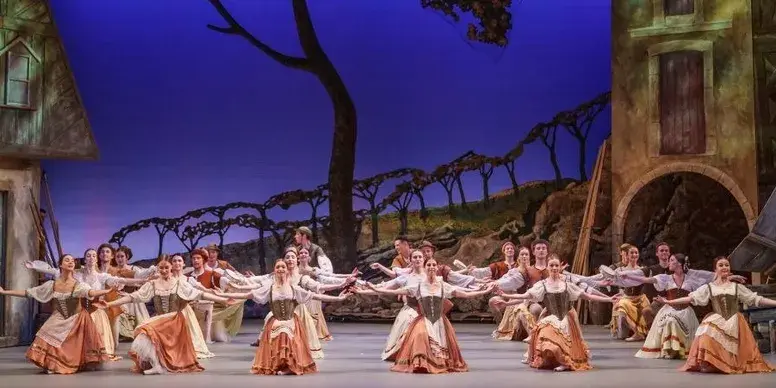
The History of Ballet
Ballet originated in the Italian Renaissance courts of the 15th century and evolved into a theatrical art form in France and Russia. The term "ballet" comes from the Italian word "ballare," which means "to dance." Over the centuries, ballet has undergone significant transformations, influenced by cultural shifts and artistic movements.
Early Beginnings
Renaissance Influence: The first ballet performances were held in royal courts, where nobles would participate in elaborate dances. These performances were often accompanied by music and poetry.
Development in France: In the 17th century, King Louis XIV established the Académie Royale de Danse, which formalized ballet training and performance. This period saw the emergence of professional ballet companies.
The Romantic Era
The 19th century marked the Romantic era of ballet, characterized by emotional expression and the portrayal of supernatural themes. Notable ballets from this period include:
Giselle: A tale of love and betrayal, Giselle is one of the most famous ballets, showcasing the ethereal qualities of ballet.
La Sylphide: This ballet tells the story of a young man who falls in love with a sylph, a mythical creature. It highlights the delicate and airy movements that define Romantic ballet.
The Elements of Ballet Performance
Ballet performances are a harmonious blend of various elements that come together to create a mesmerizing experience. Understanding these components can enhance your appreciation of this art form.
Technique
Ballet technique is the foundation of every performance. Dancers undergo rigorous training to master the following:
Positions: The five basic positions of the feet are crucial for balance and movement.
Turns and Jumps: Mastery of pirouettes and leaps showcases a dancer's skill and athleticism.
Flexibility and Strength: Dancers must maintain a high level of physical fitness to execute demanding choreography.
Choreography
Choreography is the art of designing dance movements and sequences. Renowned choreographers like George Balanchine and Marius Petipa have left an indelible mark on ballet with their innovative works. Choreography can convey a story, evoke emotions, and highlight the dancers' abilities.
Music
Music plays a vital role in ballet performances, setting the tone and enhancing the narrative. Composers such as Tchaikovsky and Prokofiev have created iconic scores that are synonymous with ballet. The rhythm and melody guide the dancers' movements, creating a seamless connection between music and dance.
Costumes and Set Design
Costumes and set design contribute significantly to the visual appeal of ballet. Elaborate costumes help to define characters and enhance the storytelling aspect. Set designs transport audiences to different worlds, whether it be a mystical forest or a grand palace.
The Role of the Dancer
Dancers are the heart and soul of ballet performances. Their dedication and artistry bring the choreography to life. Here are some key aspects of a dancer's role:
Training and Discipline
Becoming a ballet dancer requires years of training and unwavering discipline. Many dancers start their training at a young age, attending ballet schools to refine their skills. The training involves:
Daily Classes: Dancers participate in daily classes to maintain their technique and strength.
Rehearsals: Rehearsals are essential for preparing for performances, allowing dancers to perfect their routines.
Emotional Expression
Ballet is not just about technical skill; it is also about conveying emotions. Dancers must connect with their characters and express a range of feelings through their movements. This emotional depth is what captivates audiences and makes ballet performances memorable.
Collaboration
Ballet is a collaborative art form that involves working closely with choreographers, musicians, and fellow dancers. This teamwork is crucial for creating a cohesive performance. Each dancer plays a role in bringing the vision of the choreographer to life.
The Impact of Ballet on Culture
Ballet has a profound impact on culture and society. It transcends boundaries and connects people through the universal language of dance. Here are some ways ballet influences culture:
Cultural Exchange
Ballet serves as a medium for cultural exchange, showcasing diverse traditions and stories. Companies around the world often incorporate local elements into their performances, enriching the art form. For example, the fusion of ballet with traditional folk dances creates unique performances that celebrate cultural heritage.
Education and Outreach
Many ballet companies engage in educational outreach programs, introducing ballet to young audiences. These initiatives aim to inspire the next generation of dancers and foster an appreciation for the arts. Workshops, performances, and school programs help demystify ballet and make it accessible to all.
Social Commentary
Ballet can also serve as a platform for social commentary. Contemporary choreographers often address pressing issues through their works, using dance to provoke thought and discussion. This evolution of ballet reflects the changing dynamics of society and the role of art in addressing social concerns.
The Future of Ballet
As ballet continues to evolve, it faces both challenges and opportunities. The future of ballet will likely be shaped by the following trends:
Innovation in Choreography
Choreographers are increasingly experimenting with new styles and techniques, blending ballet with other dance forms such as hip-hop and contemporary dance. This innovation keeps ballet relevant and attracts new audiences.
Diversity and Inclusion
The ballet world is gradually becoming more inclusive, with efforts to diversify casting and representation. Companies are recognizing the importance of reflecting the communities they serve, leading to a richer and more varied art form.
Technology Integration
Advancements in technology are also influencing ballet performances. From digital projections to virtual reality experiences, technology is enhancing the way audiences experience ballet. This integration opens up new possibilities for storytelling and engagement.
Conclusion
Ballet performances are a celebration of artistry, discipline, and emotion. They transport audiences to different worlds and evoke powerful feelings. As we explore the art of ballet, we gain a deeper appreciation for the dedication of the dancers and the impact of this timeless art form on culture and society. Whether you are a lifelong ballet enthusiast or a newcomer, there is always something new to discover in the enchanting world of ballet.
As you consider attending a ballet performance, remember the intricate layers that contribute to the experience. Embrace the beauty of movement, the power of music, and the stories that unfold on stage. Ballet is not just a dance; it is an art form that continues to inspire and connect us all.


Comments